
Agile, spec-driven development
We move fast without cutting corners: a written spec you approve, short sprints on a shared board, review on every change, and a staging environment that mirrors production. It is the discipline behind our product builds and DevOps work.

A written spec before any code
Projects go wrong when no one agreed what was being built. Before we write code we write down the requirements: what gets built, how it behaves, and what is out of scope. You read it and sign off, so we are building the right thing instead of guessing, and you know the price before work starts. The spec becomes the shared reference everyone checks against, which is what keeps a build from quietly drifting away from what you actually asked for.
- Requirements written down, not assumed
- You sign off before we build
- Clear scope, agreed price
Short sprints on a shared board
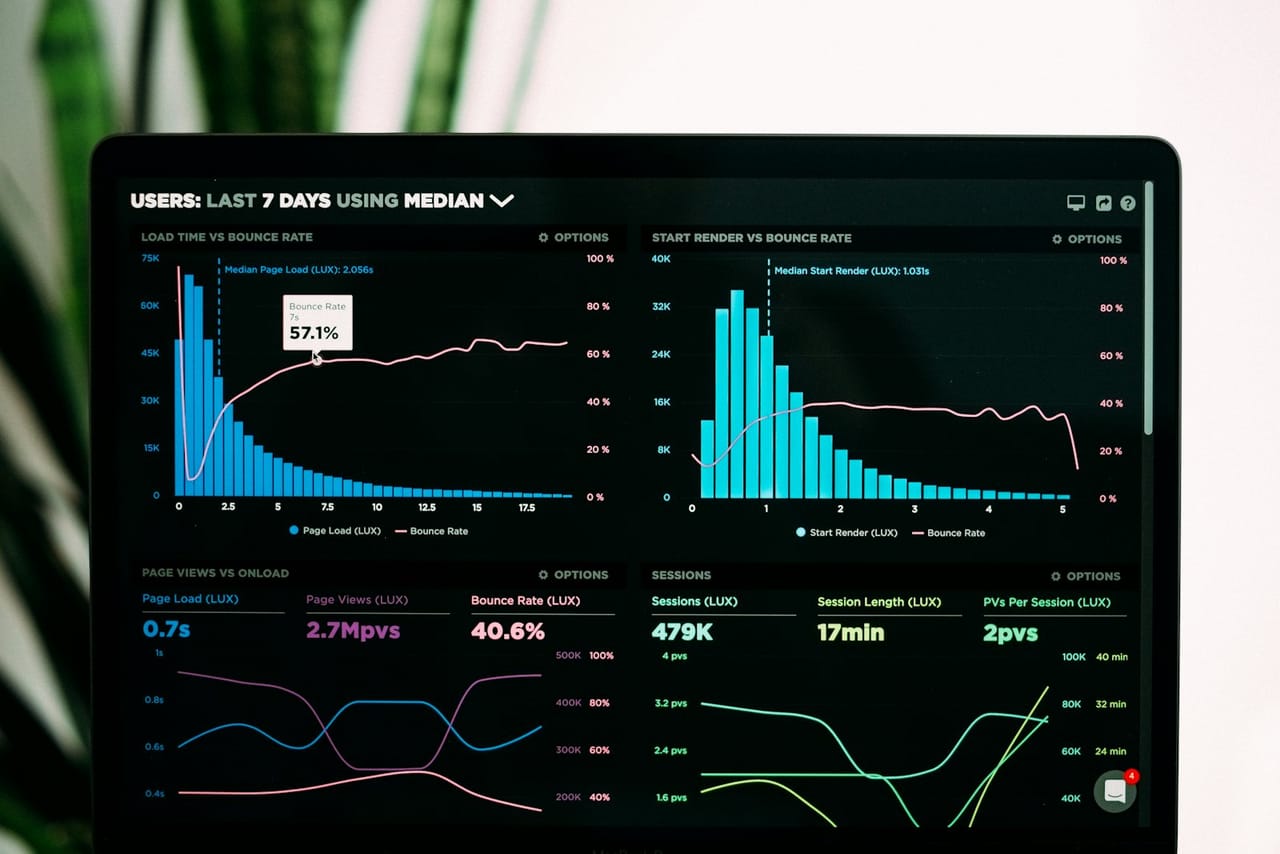
We work in short, focused sprints and run them on a shared board in ClickUp that you can open any time. The developers manage their own stories and plan their own sprints, so the people building the product are the people deciding how it gets built. You see what is in progress, what is in review, and what has shipped, and you can raise a change directly with the engineer doing the work rather than waiting for a weekly summary.
- Two-week sprints with visible progress
- A shared board you can check any time
- Developers run their own stories
Every change goes through review
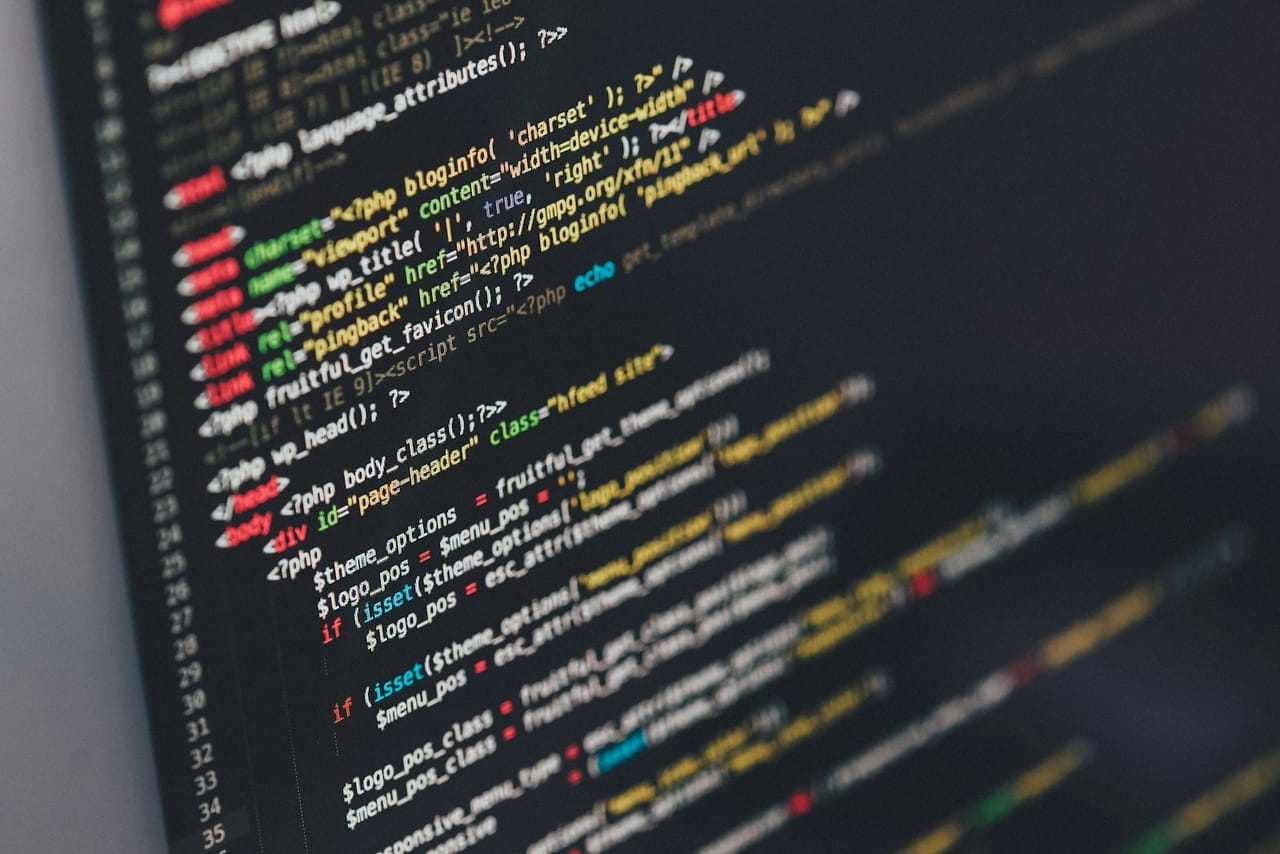
Nothing reaches your product without a second set of eyes on it. Every change is a pull request that another engineer reads and approves before it merges, with automated tests running on each one. Code review is where bugs get caught early, where the codebase stays consistent, and where knowledge spreads across the team, so the project never depends on a single person holding it all in their head.
- A pull request for every change
- Reviewed by another engineer
- Automated tests on each merge

Staging that mirrors production
Changes run on a staging environment built to match production before they go live. That is where surprises show up, not in front of your users. Once a change checks out on staging it ships to production through the same automated pipeline, so releases are routine and low-risk. If something does go wrong, the pipeline lets us roll back quickly rather than scrambling for a manual fix.
- Staging built to match production
- Verified before it goes live
- Automated, reversible releases
AI to move faster, not to skip the thinking
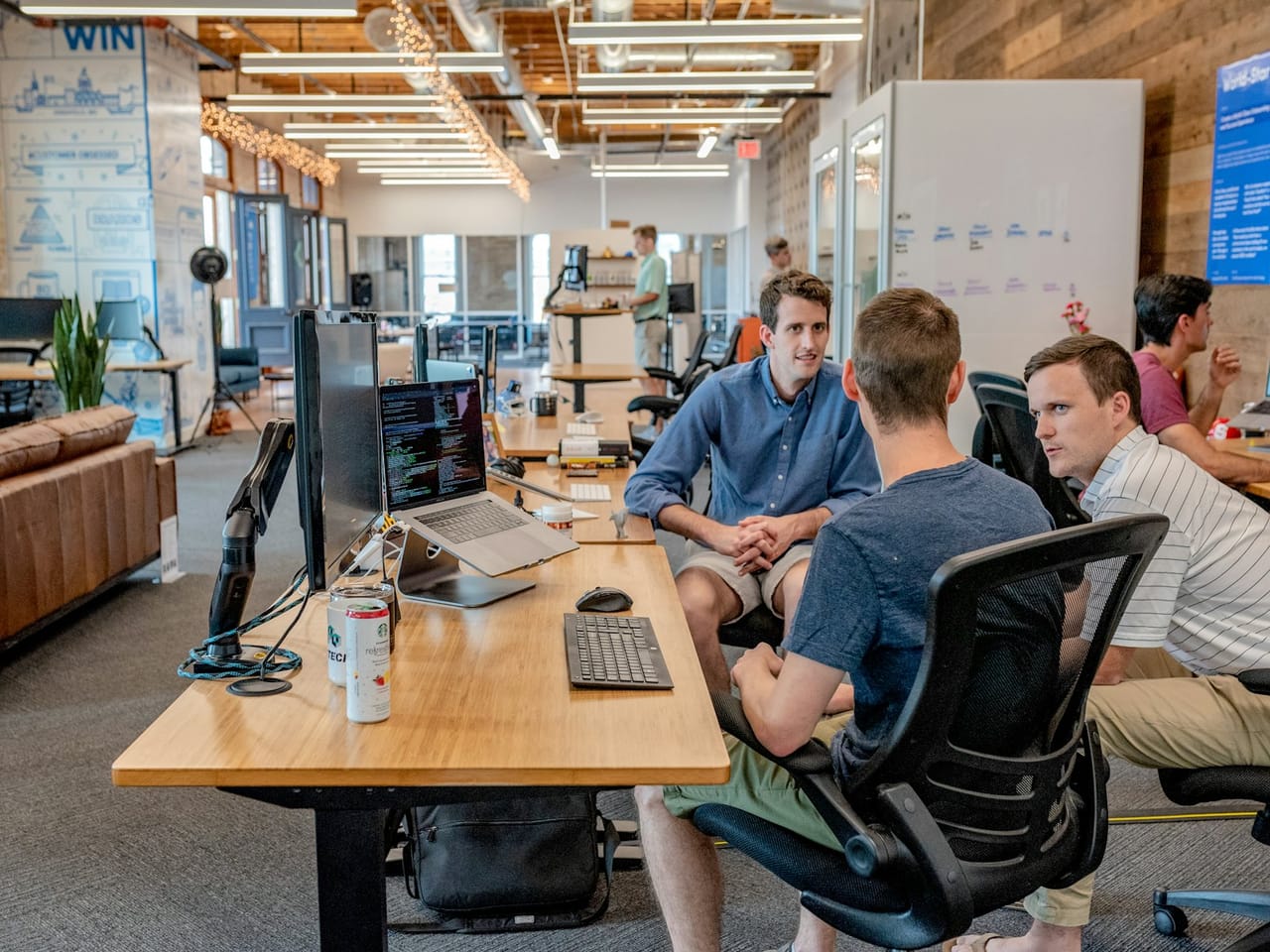
We use AI tools for scaffolding, boilerplate, and tests, which lets a small team move quickly. We do not vibe-code, meaning prompt and paste until something seems to work. We understand the requirements and write our own logic, AI never makes architecture decisions, and the engineer responsible reviews every line. You end up with code you own and can hand to any engineer later, not a black box no one understands.
- AI for scaffolding, boilerplate, and tests
- No architecture decisions left to a model
- Every line reviewed by an engineer
The same discipline across everything we build
This is how we ship Django and FastAPI backends, on AWS, with AI features where they earn their place. See why teams choose us over an agency.
How we work
We agree a written spec you sign off on before any code is written, then build against it in short sprints. Scope changes are discussed openly rather than absorbed silently, so the budget stays predictable.
Yes. We work on a shared board in ClickUp you can open any time, and you talk directly to the developer doing the work. There is no account manager filtering updates.
Yes. Every change goes through a pull request that another engineer reviews, with automated tests, before it merges and ships through a staging environment that mirrors production.
Let's build, scale, or automate it.
Hire a full senior team or a single specialist across frontend, backend, AWS, DevOps, and AI. You work directly with the engineers, not an account manager.